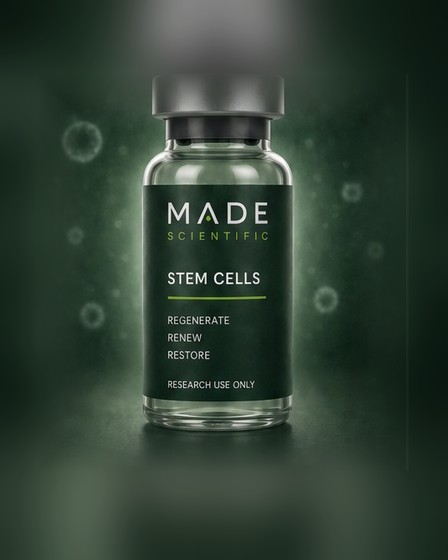
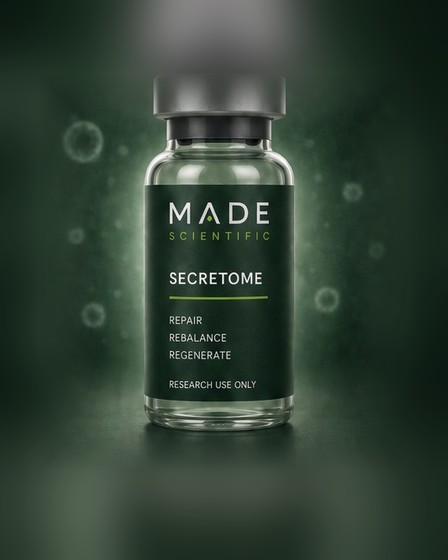
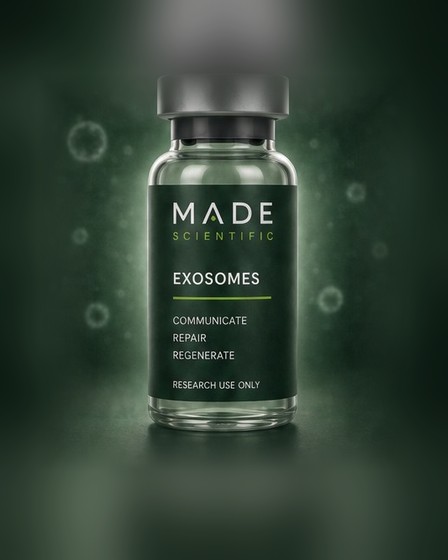
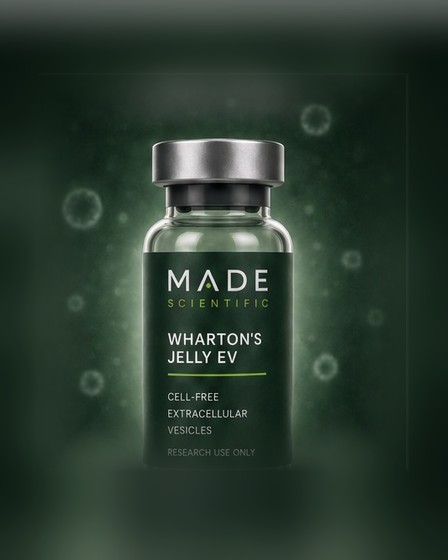
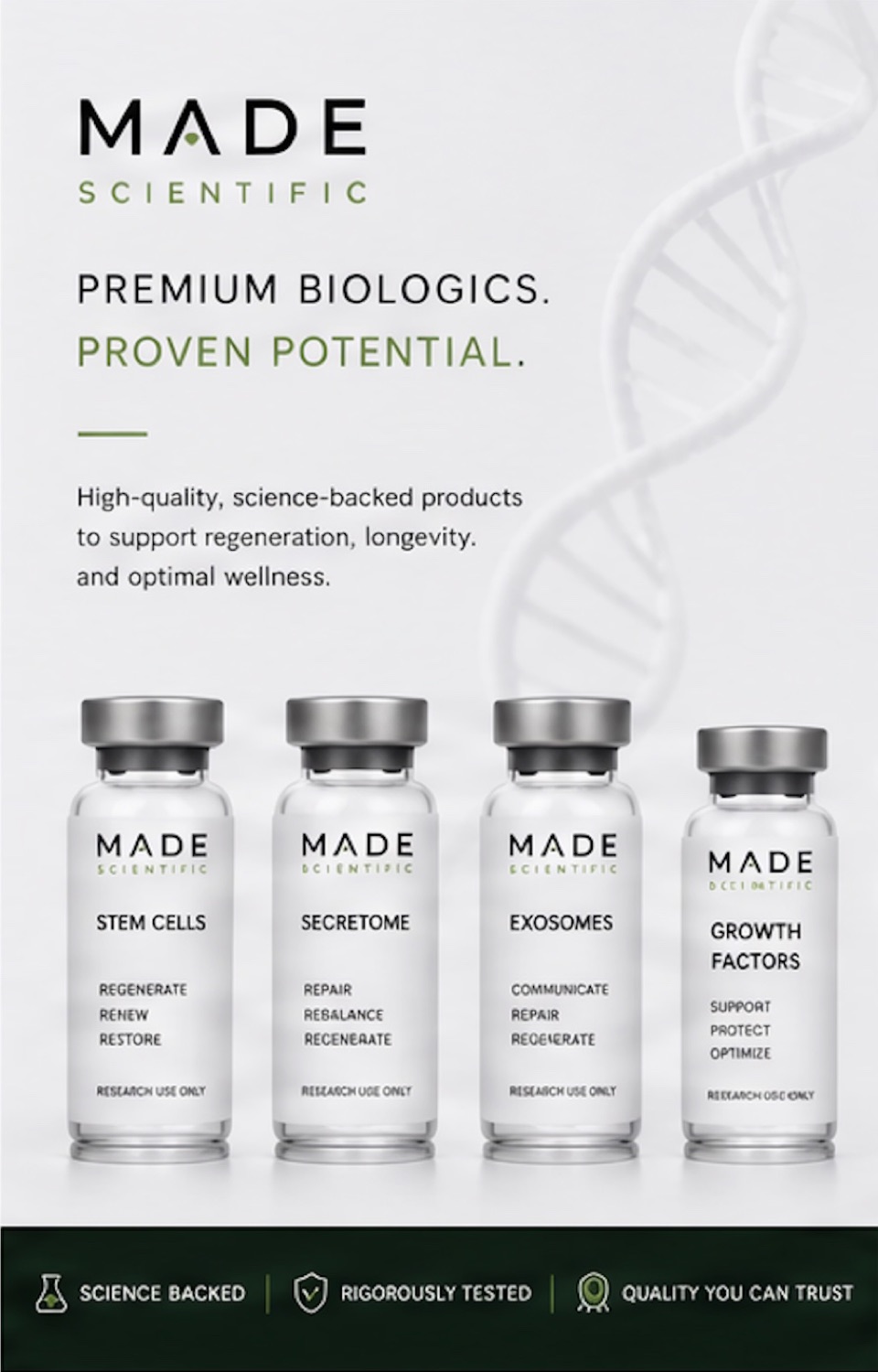
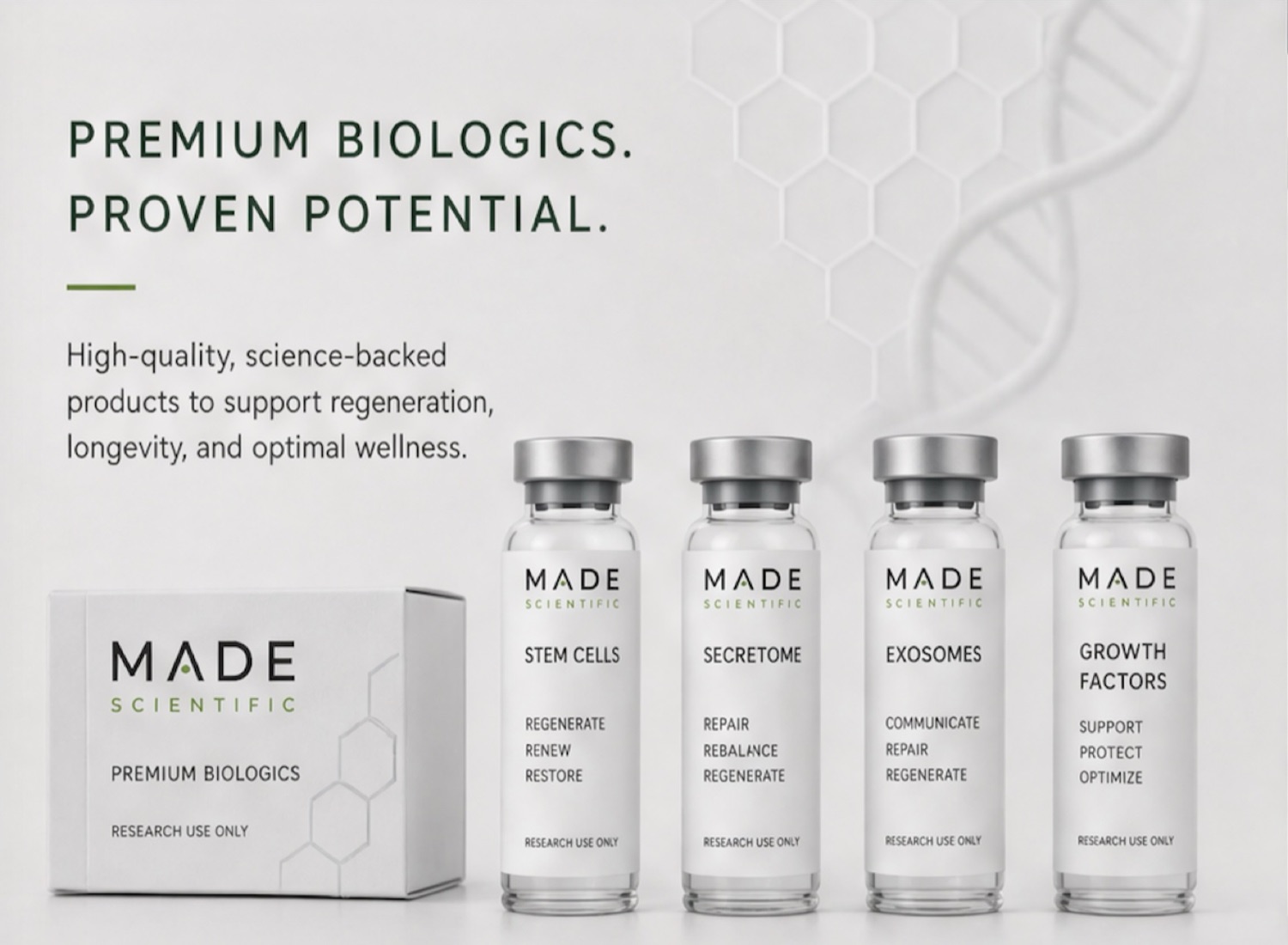
Regenerative medicine, manufactured to a clinical standard.
One Wharton's-jelly MSC platform — live cells, cell-free secretome, and purified exosomes — produced inside an FDA-registered U.S. cGMP cell & gene therapy quality system, alongside a growing family of partner products.
One MSC platform, three product families, plus partner products.
The mesenchymal stromal cell (MSC) and its secretome — the mixture of growth factors and extracellular vesicles (exosomes) it releases — carry the angiogenic and matrix-remodeling signals behind regenerative and aesthetic outcomes. Made Scientific manufactures the full range under one cGMP quality system, on a flexible model spanning Research-Use-Only through full GMP human-use release.
MSC Cells
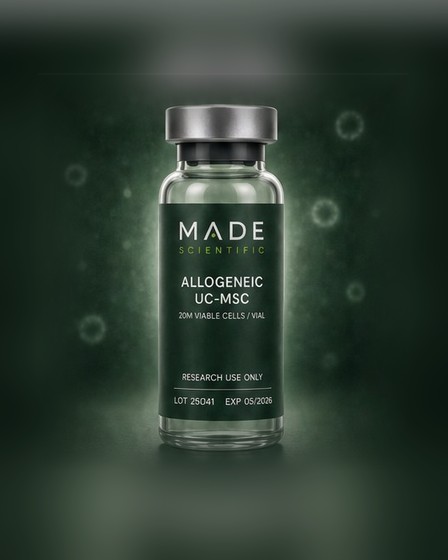
2D & 3D · WJ-MSC drug product
Secretome
Cell-free conditioned media
Exosomes
Purified extracellular vesicles
Partner Products
BM-MSC exosome · hOMSC
Why the source matters
Neonatal Wharton's jelly (WJ-MSC)
All Made products originate from allogeneic human umbilical-cord Wharton's-jelly MSCs — a neonatal, developmentally young source associated in the literature with higher extracellular-vesicle yield and angiogenic potency than adult bone-marrow sources, with no age-related donor senescence, and an off-the-shelf allogeneic manufacturing model.
A note on claims & supply
Material is supplied Research-Use-Only (RUO) through to full GMP human-use release. No disease-treatment claims are made; clinical material referenced here is presented as literature evidence and intended-use only. Human use requires appropriate regulatory authorization.
Products
The full regenerative product matrix.
One Wharton's-jelly MSC platform — live cells, cell-free secretome, and purified exosomes — plus complementary partner and aesthetic lines.
Grouped by manufacturing platform and origin. 2D = planar / adherent culture (the current specified process); 3D = suspension / bioreactor culture (the higher-scale development track). Secretome and exosome ship today as liquid cryopreserved, with lyophilized derivatives on the 2027 roadmap. Alongside Made's own MSC platform, the matrix spans complementary partner products and the GC Wellbeing · gcelle aesthetic injectable line.
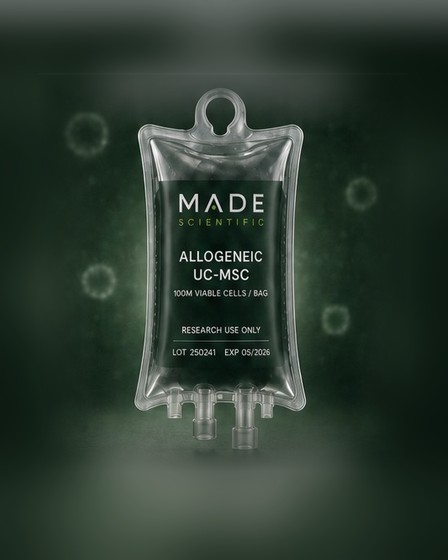
Allogeneic Wharton's-jelly umbilical-cord MSC drug product, expanded under a full cGMP quality system and released against defined identity (CD73/CD90/CD105), viability, and safety criteria. Custom release testing available for higher-dose and clinical programs.
Made Scientific · WJ-MSC
2D Secretome
Available
4–5 mL vial · liquid cryopreserved · off-the-shelf
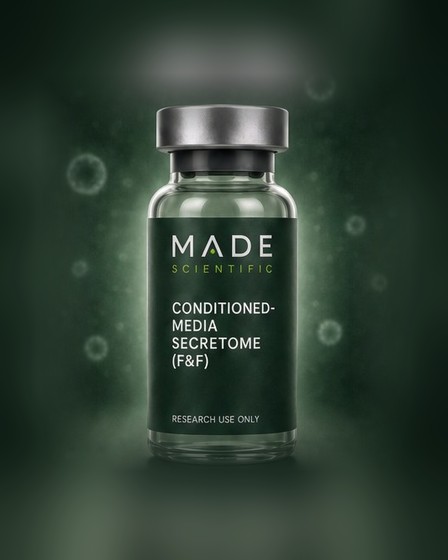
The core cell-free product: conditioned, clarified, sterile-filtered MSC secretome — growth factors (e.g., VEGF, HGF, bFGF) plus extracellular vesicles, no cells present — formulated and filled ready to use across regenerative and aesthetic protocols.
Made Scientific · WJ-MSC secretome
2D Exosome
Available
Custom vial / bag · liquid cryopreserved
Purified extracellular-vesicle (exosome) product isolated from MSC-conditioned media and characterized by particle size, count, and vesicle-integrity markers (NTA). Configured to program-specific formats; Wharton's-jelly and bone-marrow-derived options.
Made Scientific · purified EV
3D — Scale-Up Track
Suspension / bioreactor culture · in development
3D MSC Drug Product
In development
Bioreactor-scale batches · fill formats TBD
The higher-scale manufacturing track for the WJ-MSC drug product — moving from planar culture into closed automated suspension bioreactors to support larger, more consistent allogeneic batches for commercial-scale supply.
Made Scientific · scale-up path
3D Secretome
In development
Bioreactor-conditioned · vial fill as per 2D
Secretome harvested from MSCs cultured at bioreactor scale — the same conditioned-media product as the 2D secretome, produced through a higher-throughput suspension platform to meet larger distributor and market demand.
Made Scientific · scale-up path
3D Exosome
In development
Bioreactor-scale · custom vial / bag
Purified MSC exosomes produced from bioreactor-scale suspension culture, targeting the higher particle yields needed for broader regenerative and aesthetic supply, with the same characterization panel as the 2D product.
A freeze-dried presentation of the MSC secretome for extended shelf life, simpler non-cold-chain transport, and point-of-use reconstitution — offered from 2027 in addition to the current liquid cryopreserved format. A long-term (36-month) stability program is an active goal.
Made Scientific · derivative format
MSC-Derived Exosome — Lyophilized
2027 Roadmap
Lyophilized powder for reconstitution (vial)
A freeze-dried presentation of the purified MSC exosome product for extended shelf life and easier distribution — offered from 2027 alongside the current liquid cryopreserved format, enabling non-cold-chain logistics and reconstitute-at-use workflows.
Made Scientific · derivative format
Partner Products
Complementary sources through the Made regenerative channel
Partner BM-MSC Exosome (3D)
In development
Bone-marrow MSC exosome · proprietary 2D & 3D bioreactor process
A partner-derived bone-marrow MSC exosome produced from a proprietary Master Cell Bank using 2D and 3D bioreactor processes — spanning a naive (unloaded) exosome supply track and an siRNA-loaded clinical nanodrug platform, characterized for batch-to-batch consistency by independent proteomic protein-fingerprint analysis.
Partner-derived · brought to market through the Made regenerative channel
Cytora hOMSC (2D)
2027 Roadmap
Human oral-mucosal stem cell · 20M cells / vial
A human oral-mucosal (neural-crest) stem cell product from Made's publicly announced partner Cytora, expanded via 2D adherent culture — a complementary MSC source on the roadmap for distributor supply, with intended-use context in wound care (diabetic foot ulcers) and broader orthopedic / pain applications.
Cytora · publicly announced partner
GC Wellbeing · gcelle
Aesthetic & regenerative injectable line from the GC family portfolio
A human acellular dermal matrix (hADM) from GC Wellbeing's gcelle line — a regenerative dermal scaffold for soft-tissue support, supplied as a pre-filled syringe.
GC Wellbeing · gcelle · aesthetic & regenerative
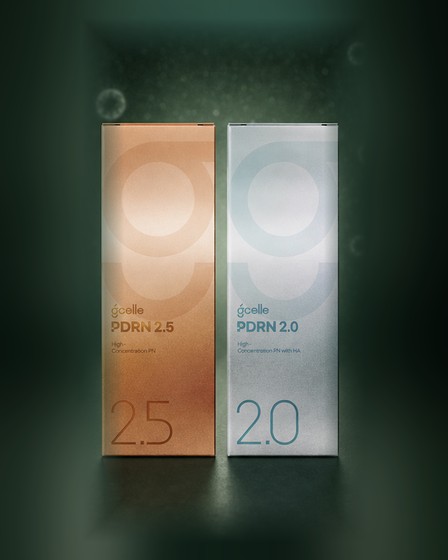
gcelle Hyaluronic Acid
GC Wellbeing
HA dermal filler · SHAPE / DEEP / FINE · 1 mL syringe + needle
A hyaluronic-acid dermal-filler line in three tuned formulations — SHAPE for contour and volume, DEEP for deeper folds, and FINE for superficial lines — each a 1 mL pre-filled syringe with needle.
GC Wellbeing / gcelle products are shown as part of the broader GC family portfolio. Descriptions are informational; availability, indications, and regulatory status vary by market.
Resources
Evidence & specifications
Scientific Review
MSC Secretome & Exosomes in Regenerative & Aesthetic Medicine
An evidence-based review of MSC-derived secretome and exosomes for hair restoration, skin rejuvenation, and regenerative wellness — biology, mechanisms, the clinical evidence landscape, safety, and regulatory framing. Grounded in the published literature; no disease-treatment claims.
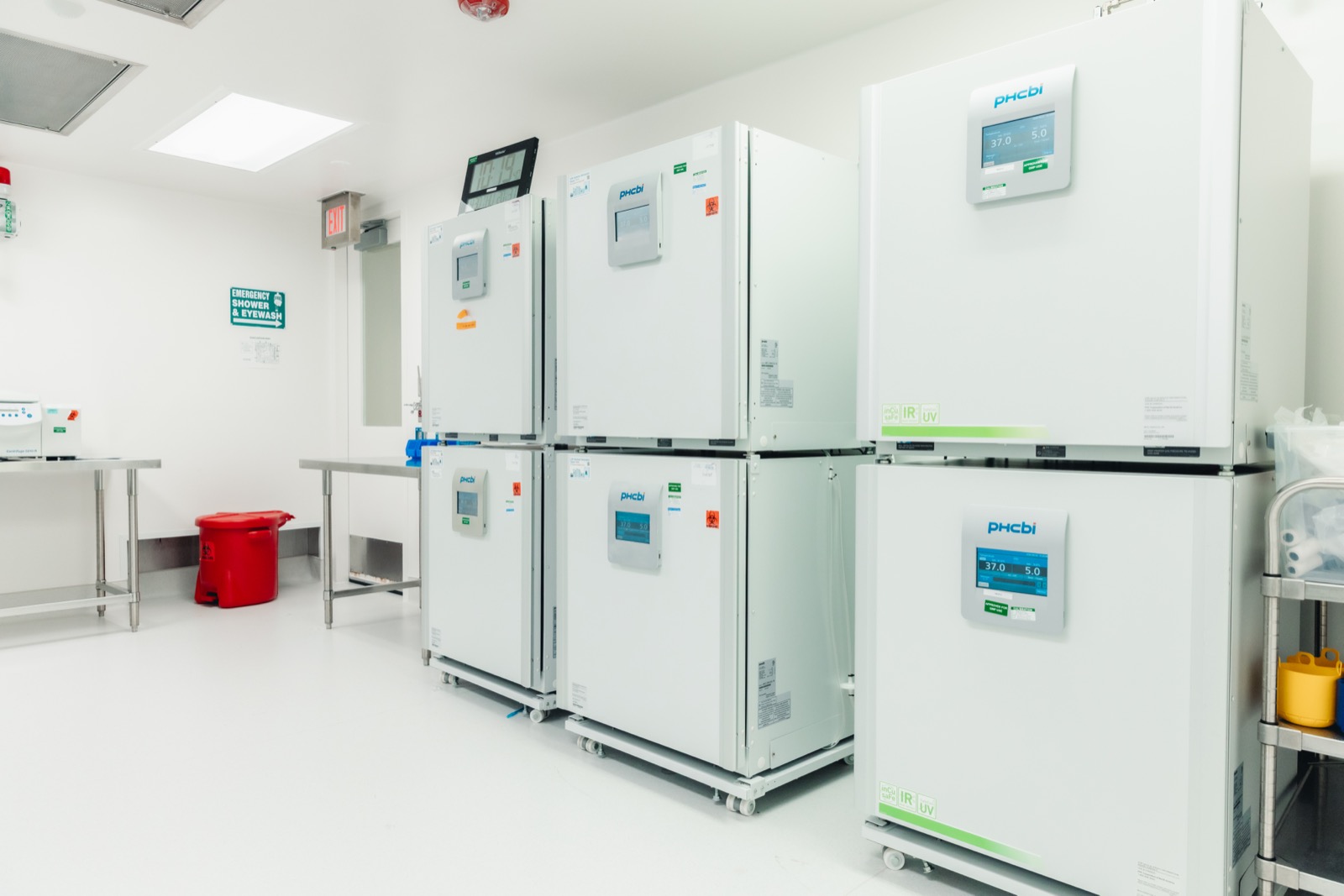
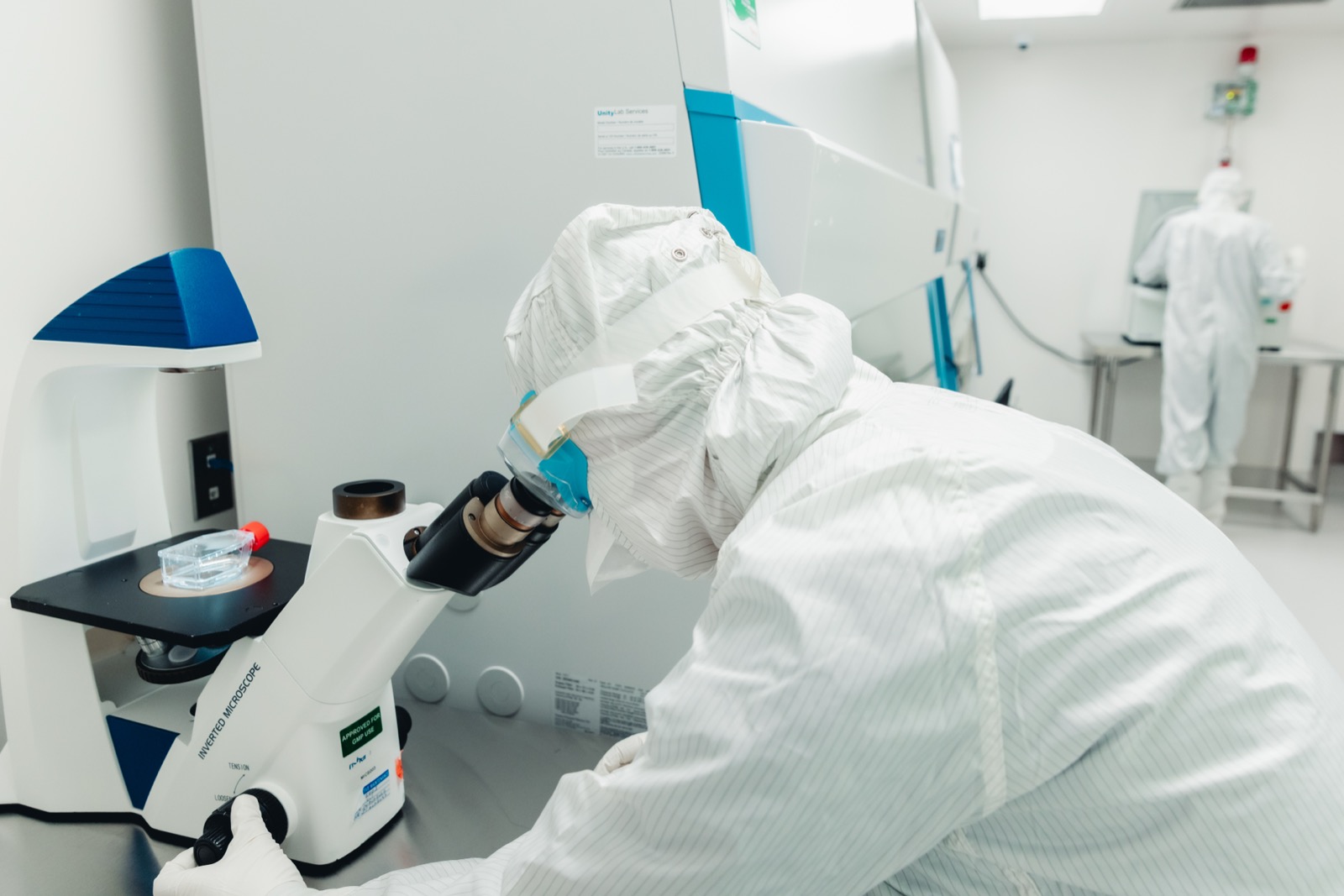
Produced within an established U.S. cGMP quality system.
The same GMP infrastructure used for clinical cell-therapy manufacture.
Made Scientific manufactures its regenerative line inside an FDA-registered cell & gene therapy CDMO quality system — the same GMP infrastructure used for clinical cell-therapy manufacture. Operations align to FDA 21 CFR 210/211 and 1271 and ICH Q7, Q9, and Q10, with an independent Quality Unit holding final batch-disposition authority (ALCOA+ data integrity, formal change control, CAPA, supplier qualification).
Made Scientific — Princeton, NJ facility network
Cell source: neonatal Wharton's jelly
Allogeneic human umbilical-cord Wharton's-jelly MSC (hUC-WJ-MSC), procured under 21 CFR 1271 and AATB standards (IRB oversight, informed consent, donor eligibility and infectious-disease testing). The neonatal source is associated in the literature with higher EV yield and angiogenic potency and no age-related senescence.
2D vs 3D manufacturing
2D = planar / adherent culture, the current documented and specified process for every product. 3D = suspension / bioreactor culture, the higher-scale path enabling larger, more consistent batches — presented as a development / scale-up track.
Cryopreserved vs lyophilized
Today, secretome and exosome ship liquid cryopreserved on an LN₂ vapor-phase cold chain with full chain-of-custody. From 2027, lyophilized derivatives add extended shelf life and non-cold-chain transport, offered in addition to the liquid format.
Release & characterization
Each lot is characterized through industry-standard testing — sterility, endotoxin (LAL), mycoplasma, total protein, particle characterization (NTA), and functional potency. Live MSC drug product adds identity by flow cytometry, post-thaw viability, plastic adherence, and trilineage differentiation.
01
Characterized & released
Each lot is released against an agreed certificate of analysis covering identity, viability, sterility, endotoxin, mycoplasma, and functional potency.
02
Independent quality oversight
An independent Quality Unit holds final batch-disposition authority, with ALCOA+ data integrity, formal change control, CAPA, and supplier qualification.
03
Cold-chain ready
Controlled-rate freeze with end-to-end cold-chain logistics (LN₂ vapor phase) and full chain-of-custody, suitable for reliable domestic and international shipment.
Flexible supply model: material is available as RUO through GMP — from Research-Use-Only through to full GMP human-use release. Specific numeric acceptance thresholds are internal quality criteria and are provided under separate cover with the product specification.
The Science Behind the Portfolio
Longevity Medicine Research Series
A literature-grounded synthesis across three pillars — MSCs, their secretome & extracellular vesicles, and senolytics.
Made Scientific's Longevity Medicine Research Series is a literature-grounded synthesis of the biology underpinning our regenerative portfolio, organized around three converging pillars: mesenchymal stromal cells, their cell-free secretome and extracellular vesicles, and senolytic and senotherapeutic approaches to cellular aging. Each pillar traces what the peer-reviewed evidence does and does not yet establish, spanning research-use-grade through GMP manufacturing. It is intended as scientific and educational context on the mechanisms studied in aging biology, not as treatment, efficacy, or anti-aging claims for any Made product.
1
Allogeneic MSC (BM + Wharton's Jelly)
Pillar 1 · Live cell therapy
MSCs act as "medicinal signaling cells" that are largely cleared within days yet direct endogenous repair through paracrine signaling — a mechanism the aging literature studies for its potential to engage several hallmarks of aging at once, including the inflammatory "inflammaging" axis (Caplan 2017, Stem Cells Transl Med).
Mesenchymal stromal cells (MSCs) are multipotent adult cells that act largely as "medicinal signaling cells": after administration most are cleared within a few days, yet they direct tissue repair through paracrine secretion of growth factors, extracellular vesicles, and immunomodulatory signals rather than long-term engraftment. Made Scientific works with two allogeneic, off-the-shelf source tissues — adult bone-marrow MSC (BM-MSC), the most clinically studied class, and neonatal Wharton's-jelly umbilical-cord MSC (WJ-MSC), which offers faster expansion, a younger epigenetic profile, and low immunogenicity for repeat dosing. The platform spans research-use-grade through GMP manufacturing.
Longevity angle In aging biology, MSCs are studied for their potential to engage several hallmarks of aging at once — dampening the senescence-associated inflammatory milieu ("inflammaging"), rebalancing an aging immune system, transferring functional mitochondria to metabolically stressed cells, and supplying regenerative paracrine signals to depleted tissues. Published early-phase trials in frailty, wound healing, and tissue regeneration make MSCs one of the most-investigated cell platforms in healthspan research.
~a dozen
Approved MSC products globally (~6 jurisdictions)
~700
Registered MSC clinical trials
RYONCIL · Dec 2024
First US FDA MSC approval
BM + WJ-MSC
Made source tissues
Paracrine "medicinal signaling cell" mechanism
Biodistribution studies show systemically infused MSCs are largely cleared within 24–72 hours, yet measurable effects can persist for weeks — supporting a "hit-and-run" model in which MSCs act as environment sensors that secrete VEGF, HGF, IGF-1, extracellular vesicles, and immunomodulatory mediators to orchestrate endogenous repair (Caplan 2017, Stem Cells Transl Med; Prockop & Oh 2012, Mol Ther).
Immunomodulation and inflammaging
MSCs respond to inflammatory cues (IFN-γ, TNF-α) by upregulating IDO, PGE2, TSG-6 and IL-10 and by polarizing macrophages toward an anti-inflammatory M2 phenotype. Placebo-controlled early-phase frailty studies reported reductions in circulating inflammatory markers (including TNF-α) after MSC infusion — the same inflammatory axis central to "inflammaging" (Tompkins et al. 2017; Golpanian et al. 2017, J Gerontol A Biol Sci Med Sci).
Senescence and mitochondrial rejuvenation
In aging-biology models, MSCs are studied for modulating the senescence-associated secretory phenotype (SASP) and for transferring functional mitochondria to stressed cells via tunneling nanotubes and extracellular vesicles, restoring ATP production and reducing oxidative stress (Liu et al. 2020, Front Cell Dev Biol). These are proposed mechanisms under active investigation rather than established clinical outcomes.
Frailty and functional-endpoint evidence
Randomized early-phase trials in frail older adults reported improvements in six-minute walk distance and physical-performance measures versus placebo, alongside reduced inflammatory markers — among the few controlled functional endpoints in longevity research (Tompkins et al. 2017; Golpanian et al. 2017, J Gerontol A Biol Sci Med Sci). Later-phase frailty trials have since been undertaken, but large confirmatory, peer-reviewed efficacy data remain limited.
Wound healing and tissue regeneration
MSC-secreted angiogenic factors (VEGF, HGF) drive neovascularization and re-epithelialization; published Phase I/II work in diabetic and chronic wounds describes accelerated closure and angiogenesis. Here the mechanism is better characterized than the clinical evidence base, which is graded emerging.
Source selection for longevity: neonatal WJ-MSC
Wharton's-jelly MSCs show longer telomeres, a younger epigenetic profile, roughly 30–50 population doublings before senescence, and low HLA class I with negligible class II expression — properties suited to repeat allogeneic dosing without HLA matching, which longevity research protocols favor over donor-age-limited bone-marrow sources (Hass et al. 2011, Cell Commun Signal; Mushahary et al. 2018, Cytometry Part A).
Evidence strength & market signals
Evidence strength varies sharply by indication, and the published literature (not Made products) is the basis for every statement here. Strongest: pediatric steroid-refractory acute graft-versus-host disease, supported by multiple Phase III trials and three regulatory approvals (US FDA, Japan PMDA, Health Canada); and knee osteoarthritis / cartilage defects, with a structural-endpoint Phase III basis behind Korea's MFDS approval. Moderate: Crohn's perianal fistula (EMA-approved 2018, later withdrawn from the EU market in 2024), spinal cord injury, acute myocardial infarction, critical limb ischemia, and ARDS (where meta-analyses have suggested a possible mortality benefit, though no product is approved to date). Emerging / early: diabetic wound healing, ALS, chronic pain, liver cirrhosis, and frailty / longevity, where early-phase functional signals exist but large confirmatory RCTs and human lifespan data are lacking. Across the field, donor-to-donor potency variability and the absence of standardized potency assays remain the central scientific challenge.
RYONCIL (remestemcel-L, Mesoblast) became the first FDA-approved allogeneic MSC product in December 2024, for pediatric steroid-refractory acute GvHD.
Roughly a dozen MSC products hold regulatory approval worldwide, concentrated in Asia-Pacific — Japan (TEMCELL HS 2015; Stemirac 2018) and South Korea (Cellgram-AMI 2011; CARTISTEM 2012; Cupistem 2012; Neuronata-R 2014) — with more recent approvals in China.
CARTISTEM (Medipost), an allogeneic umbilical cord blood-derived MSC for knee cartilage defects and osteoarthritis, has been approved in South Korea since 2012, with published long-term (up to 7-year) follow-up.
Alofisel (darvadstrocel), the EMA-approved adipose-derived MSC for Crohn's perianal fistula (2018), was voluntarily withdrawn from the EU market in 2024 — illustrating the field's market-access and commercialization hurdles.
MSCs are among the most-studied cell-therapy modalities in clinical development, with roughly 700 registered trials — one of the largest categories in the cell-therapy pipeline.
2
MSC Secretome & Exosomes (EV)
Pillar 2 · Cell-free biologics
A growing body of evidence indicates much of the regenerative activity attributed to MSCs is carried by their cell-free secretome and vesicle cargo — positioning defined, particle-quantified, MISEV2023-characterized EV preparations as a research platform for tissue-repair and healthspan investigation (Welsh et al. 2024, J Extracell Vesicles).
MSC secretome and extracellular vesicles (EVs, including exosomes) are the cell-free fraction of what mesenchymal stromal cells release — a complex payload of growth factors, cytokines, signalling lipids, and vesicle-packaged microRNA and protein cargo. A growing body of published evidence indicates that much of the regenerative and immunomodulatory activity historically attributed to MSCs is carried by this paracrine secretome rather than by cells engrafting. As acellular preparations, secretome and purified exosomes can be quantified by particle count and protein mass, filtered, concentrated, and formulated — including as lyophilised, ambient-stable material — for research and manufacturing use across RUO-through-GMP contexts.
Longevity angle In the aging literature, MSC-EVs are studied as modulators of the senescence-associated secretory phenotype (SASP) and "inflammaging," carrying anti-inflammatory microRNAs, antioxidant enzymes, and mitochondrial cargo that are proposed to intersect with conserved longevity-associated signalling pathways (NF-κB, mTOR, IGF-1, sirtuins). This positions cell-free MSC biologics as a research platform for skin, tissue-repair, and healthspan investigation — not as an approved anti-aging therapy.
200+
Registered EV / exosome trials globally
~49
MSC-derived EV trials
0
Approved EV products — investigational
MISEV2023
EV identity standard (ISEV)
Paracrine cargo, not engraftment
Conditioned-medium transfer, EV-depletion, and miRNA-knockout studies in the published literature indicate MSC therapeutic signals are largely mediated by secreted factors and EV cargo — VEGF, HGF, IGF-1, TGF-β, IL-10, and microRNAs such as miR-21, miR-146a, and miR-125b — rather than by cell engraftment or differentiation.
EV biology and cargo
Small EVs / exosomes (~30–150 nm) arise from the endosomal pathway and carry tetraspanins (CD9, CD63, CD81), ESCRT proteins (Alix, TSG101), bioactive lipids, and selectively packaged short RNA and protein cargo that modulate recipient-cell gene expression and signalling upon uptake (Witwer et al., 2019, J Extracell Vesicles).
SASP and inflammaging modulation
MSC-EVs are described in the aging literature as SASP-modulating biologics — transferring anti-inflammatory microRNAs (e.g. miR-146a targeting NF-κB), antioxidant peroxiredoxins, and mitochondrial components that mitigate oxidative-stress-driven cellular senescence in preclinical models (Ha et al., 2020, Cells).
Skin and hair as lead regenerative / aesthetic contexts
Published observational dermatology cohorts report improvements in skin elasticity, wrinkle depth, hydration, and barrier function following topical or microneedling-assisted MSC-EV use, and androgenetic alopecia is among the more actively studied aesthetic indications. This evidence is early-stage and largely uncontrolled rather than confirmatory.
Standardised characterisation (MISEV2023)
The field's MISEV2023 reporting framework (Welsh et al., 2024, J Extracell Vesicles) defines EV identity through orthogonal particle counting (NTA/TRPS), size distribution, positive markers (tetraspanins, Alix/TSG101), negative markers (calnexin, GM130), electron microscopy, and a functional potency assay — enabling defined, dose-by-particle-count product definition.
Source and format shape the product
Bone-marrow (BM-MSC) and Wharton's-jelly (WJ-MSC) starting materials yield EVs with different cargo and potency profiles, and whole secretome, crude EV, and purified exosome formats trade off yield, purity, and manufacturability — considerations that inform product design for a given research application.
Evidence strength & market signals
Framed on GRADE-style criteria from the published literature, the strongest MSC-EV clinical signal sits in inflammatory / immune contexts — COVID-19 ARDS and pneumonia carry the most trial activity and the earliest randomized data (moderate). Chronic wounds and skin regeneration are low-to-moderate maturity (mostly Phase I/II). Dermatology / aesthetics (photoaging, hyperpigmentation, alopecia) and osteoarthritis are early-stage (low). Longevity and healthy-aging applications remain preclinical / observational, with no dedicated registered trials — skin-aging biomarkers serve as proxy endpoints. Most indications therefore rest on early-phase or observational evidence rather than confirmatory RCTs.
No MSC-EV / exosome product holds marketing authorization from FDA, EMA, PMDA, MFDS, TGA, or ANVISA in the literature reviewed — the category is investigational across all major markets.
Public trial registries (ClinicalTrials.gov, WHO ICTRP, ChiCTR) list a large and growing body of EV / exosome trials — on the order of 200 or more — of which roughly 49 use MSC-derived EVs, making MSCs the most commonly reported parental cell source for EV therapeutics.
COVID-19 ARDS / pneumonia is the most active MSC-EV indication, including randomized, placebo-controlled Phase II work with an allogeneic BM-MSC EV product.
FDA has issued safety alerts and warning letters regarding clinics marketing unapproved exosome products with drug claims; under 21 CFR Part 1271, isolated EVs do not qualify for the "minimal manipulation" HCT/P exemption and follow the IND/BLA drug-biologic pathway.
MISEV2023 (ISEV) is the de facto international standard for EV characterization and is widely adopted as the reference framework for EV product quality in research and development.
Because senescent-cell accumulation is a hallmark shared across age-related decline, reducing that burden — through active immune clearance or by antagonizing its inflammatory secretome — is one of the more direct levers studied on healthspan, building on the genetic proof-of-concept that clearing senescent cells extends healthspan in mice (Baker et al. 2011, Nature).
Senolytics and senotherapeutics aim to reduce the burden of senescent cells — damaged cells that permanently stop dividing yet persist in tissue and secrete a pro-inflammatory mix of signals that drives aging. Made's research in this area spans three complementary approaches to the same underlying biology: NK-cell senotherapy (active immune clearance of senescent cells), young-fibroblast secretome, and iPSC-derived secretome (paracrine tissue rejuvenation and SASP suppression). The unifying thesis in the field is that lowering senescent-cell load, or antagonizing the inflammatory secretome it produces, may help restore tissue homeostasis in the context of aging and age-related disease.
Longevity angle Because senescent-cell accumulation is a shared hallmark cutting across age-related decline — from fibrosis and metabolic dysfunction to frailty and immune aging — reducing that burden is viewed as one of the more direct potential levers on healthspan, the span of life spent free of chronic disease. Unlike lifespan, healthspan endpoints can be read out over months via frailty indices, SASP biomarker panels, and molecular aging clocks.
>100 factors
SASP secretome complexity
~40–60
Replicative (Hayflick) doublings
~1–15%
Senescent-cell fraction in aged tissue
3 modalities
NK / fibroblast / iPSC secretome
The senescent-cell hypothesis
Cellular senescence is a largely irreversible growth-arrest state triggered by telomere attrition, DNA damage, or oncogenic and metabolic stress. Senescent cells accumulate in aged tissue and resist apoptosis. Genetic proof-of-concept work showed that clearing p16-positive senescent cells delays age-related pathology and extends healthspan in mice (Baker et al., 2011, Nature; van Deursen lab).
The SASP and inflammaging
Senescent cells secrete a complex senescence-associated secretory phenotype (SASP) of over 100 factors — inflammatory cytokines (IL-6, IL-8, TNF-α), chemokines, matrix metalloproteinases and growth factors — that can propagate senescence to neighboring cells and fuel chronic low-grade inflammation (inflammaging), which correlates with frailty and reduced healthspan (Coppé et al., 2008, PLoS Biol; Franceschi et al., 2018, Nat Rev Endocrinol).
Immune clearance and immunosenescence
Young organisms clear senescent cells efficiently, in part via natural killer (NK) cells that recognize stress ligands (MICA/MICB, ULBP) through NKG2D and DNAM-1. With age, NK surveillance declines, permitting senescent-cell accumulation — a self-reinforcing cycle in which the resulting SASP further suppresses immune function (Sagiv et al., 2016; Liu et al., 2023, Signal Transduct Target Ther).
Two pharmacologic strategies: senolytics vs senomorphics
Senolytics selectively induce apoptosis in senescent cells (e.g., dasatinib + quercetin, fisetin, navitoclax), while senomorphics suppress the SASP without killing the cells (e.g., rapamycin, metformin, JAK inhibitors). In the published literature the two approaches are increasingly viewed as complementary rather than competing.
Cell- and secretome-based approaches add a second mechanism
Beyond passive apoptosis induction, biological senotherapeutics combine active immune clearance (NK cells) with paracrine rejuvenation: in the published fibroblast- and iPSC-secretome literature, young-fibroblast and iPSC-derived secretomes deliver growth factors and anti-inflammatory cargo (including exosomal miRNAs) that can antagonize the SASP and help remodel aged-tissue microenvironments.
Healthspan as a measurable endpoint
Because lifespan requires decades to observe, healthspan is tracked over months using functional measures (grip strength, gait speed, frailty index), circulating SASP and senescence biomarkers, and second-generation epigenetic aging clocks (PhenoAge, GrimAge, DunedinPACE) that estimate biological age and mortality risk.
Evidence strength & market signals
Evidence strength is uneven by approach and should be read carefully. Strongest is preclinical: NK-mediated senescent-cell clearance and its role in limiting fibrosis is well characterized across animal models. Small-molecule senolytics (dasatinib + quercetin, fisetin) have reached early-phase human trials in indications such as idiopathic pulmonary fibrosis, diabetic kidney disease, and Alzheimer's, with proof-of-mechanism reductions in senescence markers reported. Cell- and secretome-based senolytic use for systemic aging remains at the early-clinical and observational stage — cohorts to date are small, largely unblinded, and confounded by concurrent interventions, and no Phase III longevity trial has completed enrollment as of 2026. Healthspan and biological-age-clock signals in this space are therefore best framed as emerging rather than established.
Foundational proof-of-concept: genetic clearance of p16-positive senescent cells delayed age-related pathology and extended healthspan in mice (Baker et al., 2011, Nature).
Small-molecule senolytics dasatinib + quercetin and fisetin have advanced to early-phase clinical trials in idiopathic pulmonary fibrosis, diabetic kidney disease, and Alzheimer's, reporting proof-of-mechanism reductions in senescent-cell markers (Gonzales et al., 2023, Nat Med).
UNITY Biotechnology has taken senolytic candidates into the clinic — UBX0101, an MDM2/p53-pathway inhibitor, in osteoarthritis (which did not meet its Phase 2 endpoint), and BCL-xL inhibitors such as UBX1325 in ophthalmology — providing the field with early human experience of pharmacologic senolysis.
Cynata Therapeutics' iPSC-derived MSC platform (Cymerus) has reached clinical trials, including CYP-001, which completed a Phase 1 study in graft-versus-host disease (Bloor et al., 2020, Nat Med), and CYP-004, a Phase 3 osteoarthritis program.
As of 2026, cell- and secretome-based senolytic approaches for longevity / healthspan remain investigational, with no Phase III longevity trial yet completed.
These summaries distill a much larger body of peer-reviewed evidence, including where it remains early-stage or preclinical. Full pillar reports — with complete citations, evidence-grading, and the regulatory landscape (from RYONCIL's 2024 US FDA approval to the roughly 700 registered MSC trials) — are available to partners on request. All content is presented as scientific and educational context, not as treatment, efficacy, or anti-aging claims for any Made product.
Distributor Framework
A single, standardized framework for regenerative distributors.
Made Scientific supports a curated network of regenerative-medicine distributors through one master commercial framework — held constant across every partner, with deal-specific economics (territory, pricing, volume, branding) living in accompanying Schedules so new distributors can be appointed quickly and consistently. Products are supplied Research-Use-Only, manufactured under full U.S. cGMP with anti-diversion controls.
1
Product scope
Available today: 2D WJ-MSC, secretome, and exosome
Roadmap: 3D-expanded lines, hOMSC and BM-MSC exosome (2027), and lyophilized formats (2027)
Custom fills, cell counts, and containers by Change Order
2
Ordering & logistics
Made Product Ordering Portal
Orders by Monday 12:00 p.m. ET ship the following Wednesday (weekly)
FCA Princeton, NJ (Incoterms 2020); validated cold-chain shippers with temperature logger
Optional overnight drop-ship to clinic; monthly Net-30 invoicing
3
Commercial model
Per-distributor, account-specific price lists
Resale freedom (suggested prices only — no resale price maintenance)
Incremental-volume Product Credit incentive
Tiered branding: standard Made-branded, custom, or white-label under a two-way trademark license
4
Compliance & anti-diversion
Every product, carton, insert, and CoA carries the RUO legend
End-user certification before drop-ship; KYC records
Regulatory posture: Products are supplied Research-Use-Only with anti-diversion controls. Human use requires appropriate regulatory authorization and is outside the RUO supply channel; the treating practice is responsible for the regulatory basis of any clinical application.
Distributor Agreement
MADE Distributor Agreement — Template
The master commercial framework — 44 sections plus Schedules A–I and Exhibits 1–3 — held constant across every partner, with deal-specific economics (territory, pricing, volume, branding) living in the Schedules. Supplied Research-Use-Only under full U.S. cGMP with anti-diversion controls. Template for review; deal-specific terms are completed at appointment.
This template sets out the standard terms; the executed Distributor Agreement — with your territory, pricing, volume, and branding completed in the Schedules — is finalized under NDA as part of the appointment process. Talk to us to begin.
Korea is GC's market. The question is which GC entity carries each Made product.
Korea is one of the most receptive regenerative markets in the world, and the barrier that stops most foreign entrants — a Korean entity must hold the biologic licence and carry the regulatory liability — is already solved for Made, because GC Corporation is Made's long-term strategic shareholder and Made sits inside the GC family. Korea is therefore not a market-entry negotiation; it is an intra-group execution decision. This tab sets out the strategy, the entity map, and the underlying regulatory assessment.
1
Route, not biology
Korea classifies by route of administration and claim — not by what the molecule is
Preferred structure: tech-transfer to GC Cell's CELL Center rather than import
Pathway: MFDS marketing authorisation, or placement into the ARMT paid-treatment track
Reality check: full cell/gene-therapy weight — K-GMP, clinical data, committee approval. A multi-year capital-and-clinical programme, not a distribution deal.
Product → GC entity map
Which GC company carries which Made product
GC Wellbeing
Carries: topical secretome / EV skincare
Role: Responsible Cosmetic Seller; aesthetics commercial arm
Why: already an aggressive aesthetics player (gcelle line + botulinum toxin via IniBio)
Why: MFDS-approved cell therapy (Immuncell-LC) and a GMP cell-therapy CDMO already operating
Lane: B
GC Biopharma
Carries: import marketing authorisation (if importing rather than tech-transferring)
Role: MAH / importer of record
Why: licensed biologics infrastructure (plasma, vaccines) and an FDA-approved biologic (ALYGLO)
Lane: B (import variant)
GC Labs / GCCL
Carries: QC, lot release testing, trial support
Role: service layer under both lanes
Why: Korea's largest reference-lab network; central-lab capability
Lane: A + B
The white-label caveat: true white-label — a Made product under a GC brand with GC carrying no regulatory ownership — is available for cosmetics, but not for biologics, where the MAH must genuinely own the file and its liability. Name-only branding is lawful in Lane A; in Lane B the holder is accountable.
The Korean regulatory frame
The four facts that set the strategy
Advanced Regenerative Bio Act
Enacted 2019, effective 28 Aug 2020
Splits the world into a treatment track (MOHW/MFDS committee, designated institutions) and a product track (MFDS marketing authorisation)
ARMT — the 2025 opening
Feb 2024 amendment, effective 21 Feb 2025
Created "Advanced Regenerative Medicine Treatment" — paid, hospital-delivered, extended beyond rare/serious disease to general patients
Institution-gated and committee-approved; out-of-pocket, not reimbursed
Exosomes are tightening
MFDS banned the word "exosome" in cosmetic advertising from 21 Jan 2025 (unless clearly plant/animal-derived)
No exosome drug is approved; Korea's first exosome trial (S&E bio, SNE-101) was only cleared in May 2025
Injectable exosomes in clinics are unapproved biologics
Korea approves stem-cell drugs
An early global adopter — Hearticellgram-AMI (2011), Cartistem & Cupistem (2012), Neuronata-R (~2014)
Conditional approval on Phase 2 data with priority review exists
The product track is real — it is simply slow and evidence-hungry
GC Wellbeing · portfolio & IniBio
The commercial arm Lane A would run through — what it already sells
INIBO
IniBio · GC Wellbeing
Botulinum toxin type A · 100 units
IniBio's botulinum toxin, indicated for temporary improvement of glabellar lines. IniBio (founded 2017) holds patented high-purity BTX process technology that strips accessory proteins and impurities. INIBO won export approval roughly two years before receiving its domestic MFDS marketing authorisation, and carries reported supply agreements across Brazil, China and Peru; its China Phase 3 is complete with an NDA filed.
GC Wellbeing → IniBio · acquired ~KRW 40bn for a 21.35% stake plus management control (closed April 2025)
Laennec
GC Wellbeing
Human placenta hydrolysate injection
GC Wellbeing's flagship prescription injectable, developed by GC and approved in Korea since 2005. A Phase 3 of intravenous Laennec met its primary endpoint on liver-function improvement, and the product has secured Chinese regulatory approval — the anchor asset around which GC Wellbeing is assembling its medical-aesthetics business.
GC Wellbeing · prescription injectable
Youthfill
GC Wellbeing
Cross-linked HA dermal filler with lidocaine
A premium cross-linked hyaluronic-acid dermal-filler line manufactured in Korea under GMP, spanning contouring and correction indications. Sits alongside the gcelle HA range in GC Wellbeing's aesthetic portfolio.
GC Wellbeing · aesthetic filler
Pillod
GC Wellbeing
Polynucleotide (PN) skin booster
A polynucleotide skin-booster introduced by GC Wellbeing's aesthetics division, complementing the gcelle PDRN line in the regenerative-injectable segment.
GC Wellbeing · skin booster
gcelle line
GC Wellbeing
RE BORNNE (hADM) · gcelle HA · gcelle PDRN
GC Wellbeing's branded aesthetic & regenerative injectable line — detailed with formats and presentations on the Products tab. This is the shelf a Made topical secretome would sit beside in Lane A.
GC Wellbeing · gcelle · see Products tab
Nutrition & wellness
GC Wellbeing
Nutritional injections · health supplements & functional foods
GC Wellbeing's original base as a "Total Nutrition Provider" — personalised nutrition solutions (B2B and B2C), nutritional injections, fermented red-ginseng and immune ingredients, with a pharmaceutical CMO business in preparation. The company is explicitly repositioning from nutrition toward an integrated medical-solutions biotech combining BTX, fillers, skin boosters and Laennec.
GC Wellbeing · nutrition & OTC base
GC family products are shown for internal strategy context. Descriptions are drawn from public company and trade sources; availability, indications, and regulatory status vary by market and should be confirmed with GC before any external use.
Watch items
What would break the plan
!
Claim fragility
One medical or anti-aging claim — or one injection — reclassifies a Made topical from cosmetic to unlicensed biologic
Lane A's entire speed advantage depends on claim discipline
Lock the claim set with Korean cosmetic counsel before launch
!
Human-derived injectables are tightening
MFDS announced regulation including legal amendments within H1 2026 for ECM / cadaver-derived skin boosters
Cited grounds: no clinical trials, no residue standards, decellularisation contradictions, donor-purpose deviation
Direct GC read-through: gcelle RE BORNNE is an hADM — it sits in exactly the category MFDS is moving on. Worth a direct conversation with GC Wellbeing.
!
Neither carve-out makes an unapproved drug approved
Florida SB 1768 and Korea's ARMT both sit below the national drug regulator
Neither converts a cultured-cell biologic into an approved product
Build Lane B through the formal route — never through clinic off-label demand
The underlying assessment
Full regulatory & commercial research — Made-internal
Executive Brief
South Korea — Regulatory & Commercial Brief
The two-page version: the recommendation, the two-speed lanes, the product→GC entity map, the top risks, and the next four decisions with GC. Built to hand across a table without the full assessment behind it.
2 pages·Companion to the full assessment·Confidential — Made ⇄ GC
South Korea Regulatory Assessment — Made Scientific × GC
The complete 32-page cited assessment: Korea's dual-track architecture under the Advanced Regenerative Bio Act, the ARMT opening, product-by-product classification for MSC / EV / secretome, the import & marketing-authorisation framework, GC partner fit, the Florida SB 1768 comparison, and the commercial recommendation. Fifty cited sources; load-bearing claims verified against primary law and MFDS notices.
Confidentiality: both documents are Made-internal / GC-partnership material — they carry Made's Korea go-to-market position, entity mapping, and legal analysis. They sit behind this gate deliberately and must not be published to the public legislation tracker or any un-gated page. Regulatory and commercial feasibility research — not legal advice.
The next four decisions with GC
Confirm the entity map (GC Wellbeing / GC Cell / GC Biopharma / GC Labs) · choose the Lane B structure, with a bias to tech-transfer into the CELL Center · lock the Lane A claim set with Korean cosmetic counsel before launch · commission an MFDS pre-submission consultation for the lead injectable to fix its risk tier and overseas-GMP plan.
The commercial & intelligence platform behind the portfolio.
A partner-enablement engine and a live longevity & regenerative-medicine intelligence radar — on one shared data layer.
Made backs its regenerative supply with a purpose-built software platform — a partner-enablement engine and a live longevity & regenerative-medicine intelligence radar — so distributors and partners get more than product. All three run on Made infrastructure, share one regenerative data layer, and sit alongside this portfolio on one domain family.
Regen Radar
Longevity & regen intelligence
A live signal tracker for the longevity and regenerative-medicine field — news, regulation, and science lanes continuously ingested from RSS, PubMed, openFDA, the Federal Register, ClinicalTrials.gov, NIH RePORTER, SEC EDGAR and more, then triaged and summarized. Read-only intelligence for Made and its partners.
A ready-to-brand console a distribution partner runs under its own identity: Education and a Resource Center, account segmentation and qualification, cold-calling and orders, plus a curated regen news stream — the turnkey commercial layer that lets a partner sell the regenerative line.
Made's own Tier-A outbound engine for distributors, large clinics, and brand partners — account segmentation, a regenerative fit score, positioning, and campaign orchestration on the shared regen data layer. Internal Made tooling, shown here for completeness.
One consolidated stack. The portfolio site, the two consoles, and the Radar all run on the same Made VPS behind the same reverse proxy, sharing one regenerative data layer — moving to a single *.made.bio domain family. No customer, pricing, or account data is exposed on this page; each tool is separately access-controlled.
Brand & Creative Direction
Design vision — the Longevity & Regenerative Wellness identity.
A working visual direction for Made's regenerative & longevity line: science-driven, naturally inspired, and human-optimized — built on the Made green, the cellular motif, and a warm, premium-wellness tone. These are exploratory concept boards for the identity, campaign, and packaging language behind the portfolio.
A living board
This is an evolving design exploration, not a finished brand guide — new concepts are added here as they're developed. Click any image to view it full-size.
The visual system
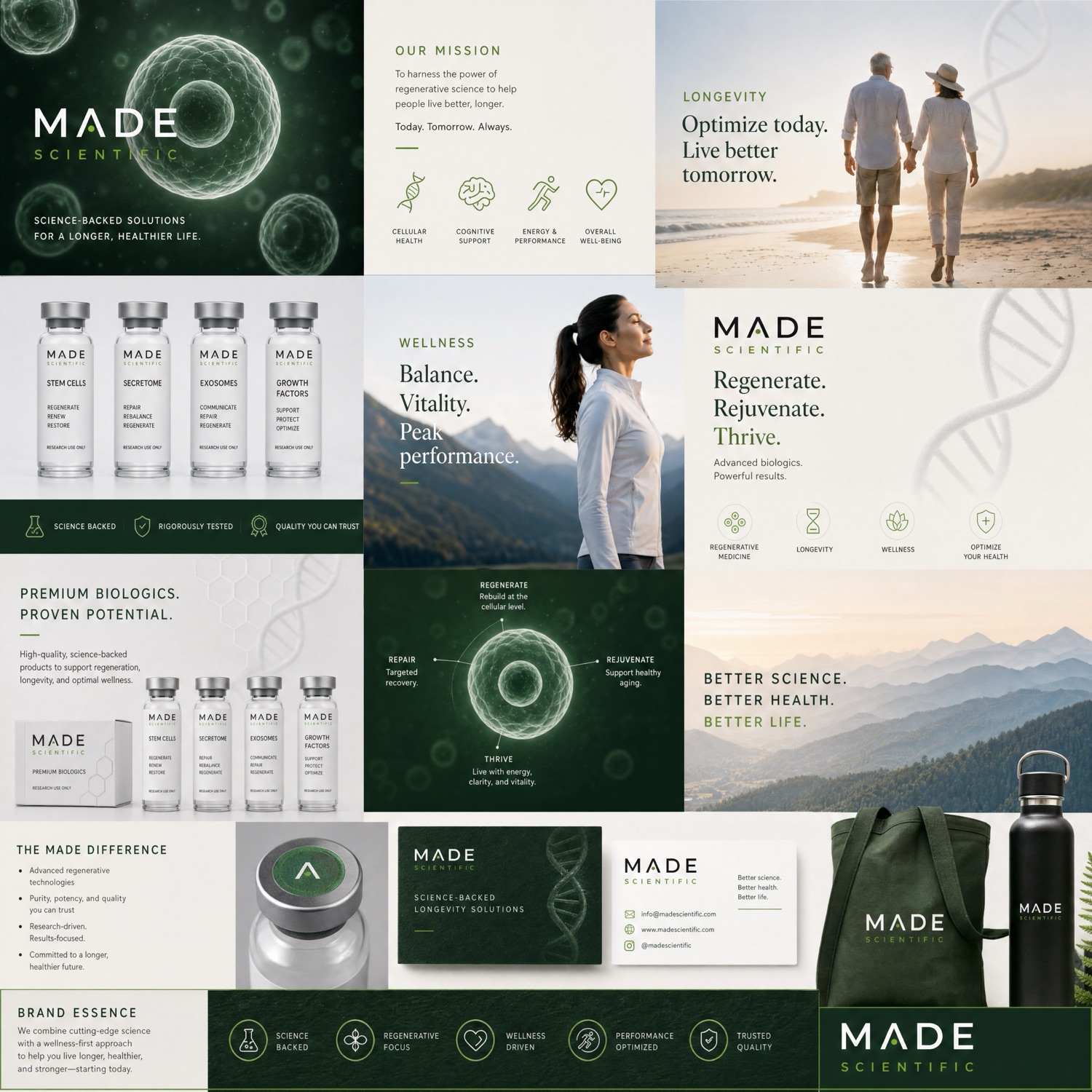
Master brand board
Master brand board — the full visual system at a glance: logo, mission, product, lifestyle, iconography, and brand essence.
Logo & brand marks
Marks & fundamentals
Logo on the cellular fieldPrimary lockup over the signature green cell motif.
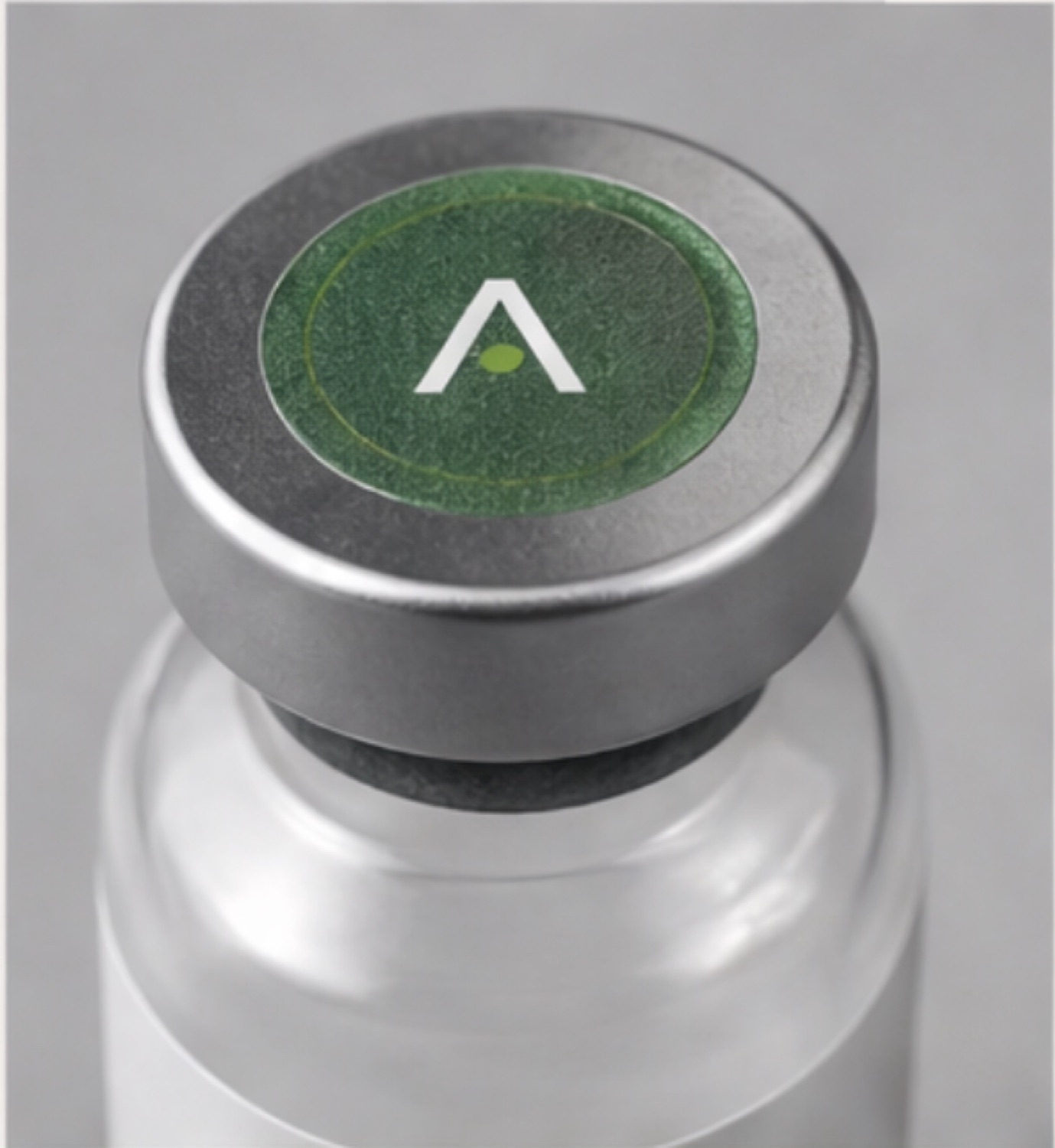
The ‘A’ logomarkMark as a foil seal on the vial cap.
Palette, type & iconsColour, typography, and the icon system.